








The escalating conflict between Israel and Iran, which began at approximately 06:15 UTC with reported missile exchanges, has led to the closure of both countries’ airspace and triggered heightened regional security concerns.
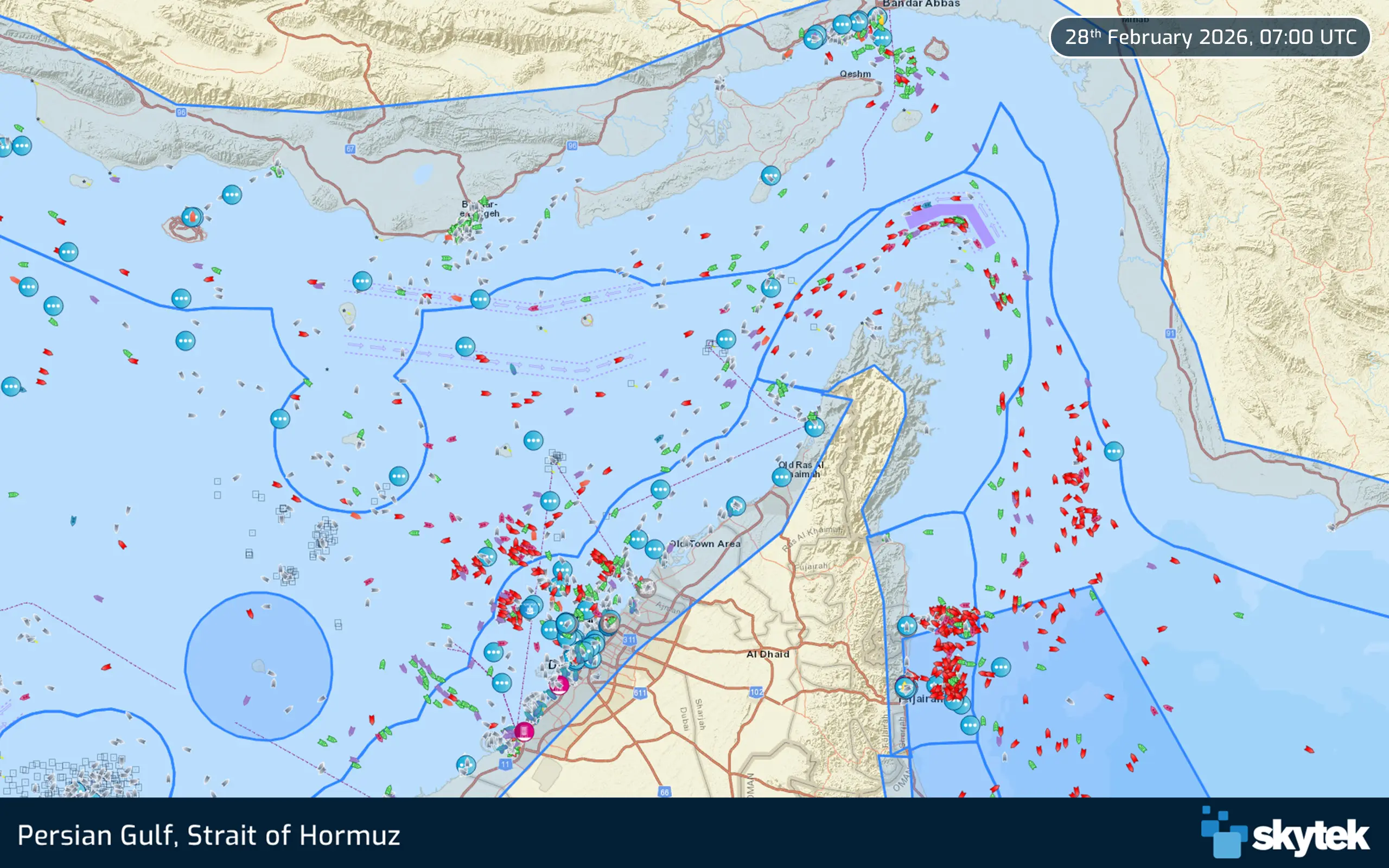
From a maritime insurance standpoint, the impact is immediate and continuing to evolve. More than 900 insured vessels, representing an aggregate hull value exceeding $22.5 billion, are currently operating within the Persian Gulf and the Strait of Hormuz. Approximately 30% of these vessels hold active cover within International Group (IG) P&I Clubs, with West of England and Gard each accounting for roughly 5% of the insured fleet.
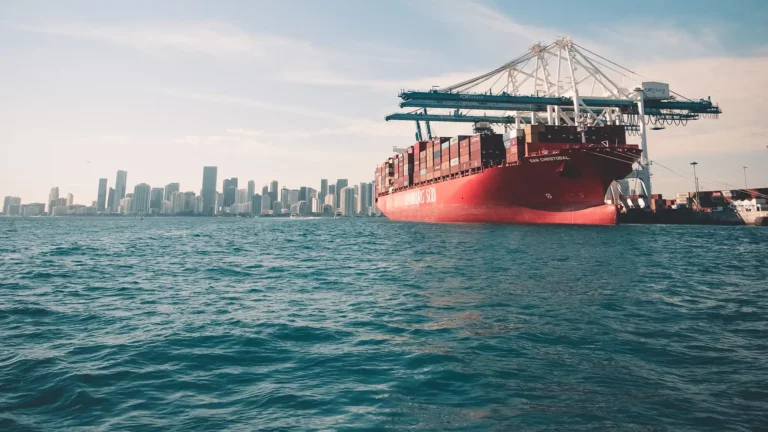
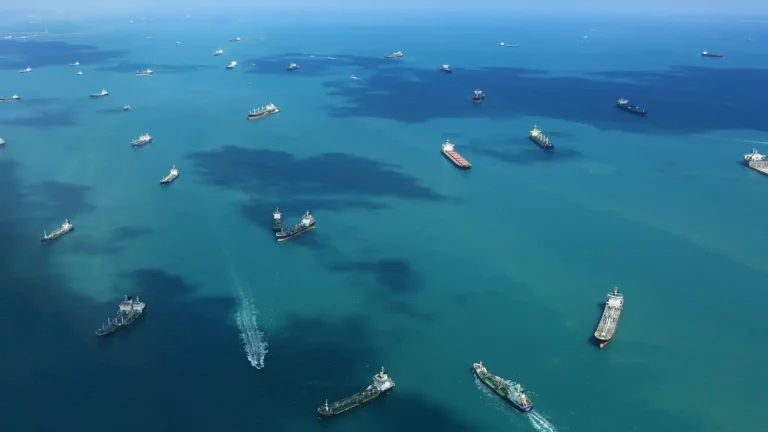
Currently, there is a significant concentration of commercial assets exposed to potential delay, blockage, diversion, or entrapment should transit conditions deter. At present, the regional fleet includes more than100 containerships, 450 oil and gas tankers and 200 bulk carriers
Live vessel tracking data indicates a pronounced outbound movement from the Gulf. Multiple vessels are actively departing the Strait of Hormuz, while inbound transits have effectively ceased. The absence of arriving traffic, combined with sustained departures, suggests operators are prioritising exit routes and risk reduction amid escalating uncertainty.
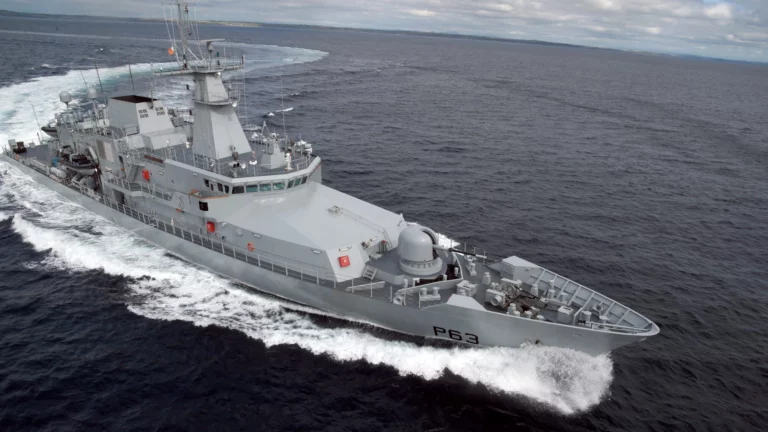
This concentration of shipping follows a marked increase in tanker and bulk carrier activity over the past month, despite a steadily worsening regional security environment. While an expanded US Navy presence continues to provide deterrence, the sheer density of commercial vessels elevates exposure to disruption whether through navigational closure, physical obstruction, or targeted strike activity.
The situation remains fluid. Maritime operators, insurers, and energy markets will be closely monitoring developments in one of the world’s most critical energy chokepoints, where vessel movements now indicate precautionary repositioning rather than routine trade flow
Skytek’s Real World platform enables insurers and maritime stakeholders to understand and monitor their exposure in near real time, providing enhanced visibility of vessel movements, risk accumulation, and operational impacts across high-risk regions